Common carpet cleaning mistakes in NW6 and how to fix
Posted on 08/07/2026

Common carpet cleaning mistakes in NW6 and how to fix them
If you have ever cleaned a carpet in a rush and then noticed a dull patch, a lingering smell, or a stain that came back two days later, you are not alone. Common carpet cleaning mistakes in NW6 and how to fix them is a topic that matters because carpets in West Hampstead and the wider NW6 area tend to take a fair bit of daily wear: hallway grit, pet traffic, coffee spills, flat-life humidity, and the occasional muddy shoe after a London downpour.
The good news? Most carpet cleaning problems are fixable, and many are preventable once you know what went wrong. In this guide, we will walk through the errors people make most often, explain why they happen, and show you how to put things right without making the situation worse. A lot of the advice here is simple, but simple is often what works.
Whether you are trying to rescue a wool rug, improve a rental property before inspection, or just stop that one stubborn stain from taunting you every time you walk past it, this article gives you practical steps you can actually use.
Why Common carpet cleaning mistakes in NW6 and how to fix Matters
Carpets do more than look nice. They trap dust, soften noise, and make a flat or house feel warmer underfoot. But when cleaning goes wrong, the result is not just cosmetic. You can end up with reappearing stains, damaged fibres, wicking marks, sticky residue, or a carpet that dries slowly and starts to smell a bit musty. Not ideal, especially in a compact NW6 home where air circulation may already be limited.
Local conditions make the details matter. In older West Hampstead properties, for example, some carpets are laid over underlay that does not love excess moisture. In top-floor flats, drying can be slow on damp days. In busy shared homes, one incorrect cleaner can spread the problem from one room to the next. So yes, the right approach saves time, but it also protects the carpet itself.
There is another reason this matters: cost. A small mistake with the wrong product or method can turn a simple clean into a bigger job. At that point people often end up calling for deep cleaning support in West Hampstead or booking a more targeted service than they originally needed. Better to avoid the detour if you can.
Expert summary: Most carpet cleaning failures come from three things: using too much liquid, using the wrong product for the fibre, or not removing enough residue. Fix those three and your results improve fast.
How Common carpet cleaning mistakes in NW6 and how to fix Works
Good carpet cleaning is really a sequence of sensible actions. You identify the carpet type, remove loose soil first, treat spots carefully, clean with the least aggressive method that will still do the job, then dry the area properly. Sounds obvious, but people often skip straight to the wet bit. That is where the trouble starts.
In practical terms, a proper clean usually works like this:
- Vacuum thoroughly to remove grit and dry debris.
- Test any cleaning product on a hidden area.
- Use the right amount of solution, not a heroic amount.
- Agitate gently if needed, rather than scrubbing hard.
- Extract or blot moisture fully.
- Allow airflow so the carpet dries evenly.
The mistake-fix pattern is similar across most problems. If a stain spreads, reduce moisture and work from the outside in. If a carpet feels sticky, remove residue. If the pile looks crushed, brush it once it is dry. If a smell remains, deal with the cause, not just the surface.
That last point matters more than people think. A pleasant-smelling product can hide an issue for a day or two, but it does not remove trapped soil, pet contamination, or detergent build-up. Truth be told, carpets are a bit unforgiving that way.
Key Benefits and Practical Advantages
Cleaning a carpet properly is not just about aesthetics. When you avoid the common errors, you get a cleaner finish, better fabric health, and fewer repeat jobs. That means fewer patchy results and less money spent correcting mistakes later.
- Better stain removal: correct spot treatment prevents stains from setting deeper.
- Longer carpet life: fibres stay stronger when they are not over-scrubbed or over-wet.
- Less odour retention: proper drying reduces musty smells and damp-related issues.
- Improved appearance: the pile looks more even, and the carpet keeps its colour better.
- Fewer recurring marks: residue-free cleaning reduces wicking and re-soiling.
There is also a practical benefit for tenants and landlords. If you are preparing a property for move-out, a carpet cleaned badly can look worse than an untouched one. Sometimes people create new marks while trying to remove old ones, which is a bit maddening, to be fair. In a rental context, a careful, documented approach is usually far safer than a last-minute rush.
If you want to see how carpet care fits into broader home upkeep, the wider services overview and spring cleaning support in West Hampstead can be useful starting points when you are planning more than one room at once.
Who This Is For and When It Makes Sense
This guide is for anyone who wants cleaner carpets without damaging them in the process. That includes homeowners, renters, landlords, letting agents, office managers, and anyone in NW6 who has looked at a stain and thought, "Right, how hard can this be?"
It makes sense if you are:
- dealing with fresh spills or older stains that keep returning
- trying to freshen up carpets before guests arrive
- preparing for an end of tenancy inspection
- maintaining a family home with children or pets
- cleaning after renovation dust or heavy foot traffic
- trying to choose between DIY cleaning and professional help
NW6 homes vary a lot. A studio near the station, a Victorian terrace, and a busy family flat all need different timing and moisture control. That is why a one-size-fits-all method often disappoints. If your carpet is delicate, you should be especially careful around strong detergents and aggressive brushes. If it is synthetic and heavily used, extraction can work well, but only if you are thorough with drying.
If your situation is more complex, you may find it helpful to look at the local service pages such as carpet cleaning in West Hampstead or end of tenancy cleaning in West Hampstead for service context and expectations.
Step-by-Step Guidance
Below is a practical way to tackle most carpet cleaning situations in NW6 without making them worse. Keep it calm. No need to attack the carpet like it has personally offended you.
1. Start with dry soil removal
Vacuum slowly and in overlapping lines. Grit acts like sandpaper underfoot, so removing dry soil first is one of the easiest ways to improve results. If you clean a dirty carpet before vacuuming properly, you are essentially turning dust into mud.
2. Identify the fibre and the problem
Wool, wool blends, and synthetics behave differently. Wool can felt or distort if overworked. Synthetic fibres may tolerate more moisture, but they can also hold detergent residue if rinsing is weak. Also think about the stain itself: food, drink, oil, pet mess, ink, or tracked-in dirt each need a slightly different approach.
3. Test before you treat
Always test a product in a hidden corner, especially on older carpets or rugs with uncertain dye stability. A small discoloured patch is much easier to live with than a bright bleached area in the middle of the room.
4. Blot, do not scrub
For spills, blot gently with a clean cloth. Scrubbing can spread the stain and rough up the pile. Work from the outer edge toward the centre if possible. That helps prevent the stain from growing, which it absolutely will if given half a chance.
5. Use the least moisture needed
Over-wetting is one of the most common mistakes. Apply solution sparingly and extract thoroughly. If the backing stays damp for too long, you invite slow drying, odour, and in some cases texture damage.
6. Rinse or remove residue
Detergent left in the carpet attracts dirt. This is why a carpet can look clean on day one and then seem grimy again by day four. If you have used shampoo or a cleaning solution, make sure it is fully removed or neutralised according to the product instructions.
7. Dry with airflow
Open windows when weather allows, use fans if you have them, and avoid walking on the area until it is properly dry. In a flat, this can take a bit longer than people expect. On a cool evening in NW6, drying can become a patient little exercise.
8. Lift the pile once dry
A clean carpet can still look flat if the fibres have been compressed. Once dry, gently groom the pile with a soft brush or carpet rake where appropriate. It improves appearance more than you would think.
Expert Tips for Better Results
Here is where small choices make a big difference. These are the bits that experienced cleaners tend to do almost automatically.
- Work in small sections: it keeps moisture and stain treatment under control.
- Use white cloths: coloured cloths can transfer dye, especially on damp fibres.
- Rinse tools often: a dirty pad or cloth just pushes soil around.
- Pre-treat high-traffic lanes: hallways and living room entrances usually need extra attention.
- Don't chase every mark: some shadows are fibre damage or wear, not dirt.
One practical tip that saves a lot of grief: if a stain is still visible after the first careful pass, stop and reassess before repeating the same move. Repeating a bad method does not magically improve it. I know, annoying. But true.
For properties that need a broader tidy-up, a combined approach can work better. For example, carpet work may be paired with one-off cleaning in West Hampstead or domestic cleaning in West Hampstead when the goal is an overall refresh rather than just a single stain fix.
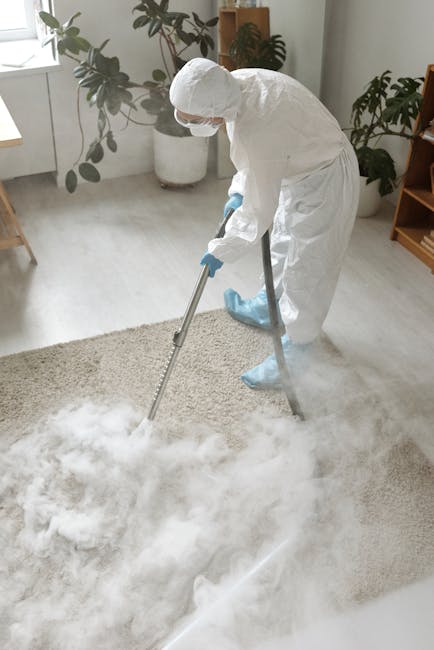
Common Mistakes to Avoid
This is the heart of the article. These are the errors that show up again and again in NW6 homes, and the fixes are usually straightforward once you spot them.
| Mistake | What usually happens | How to fix it |
|---|---|---|
| Using too much water | Carpet stays damp, stains return, smell develops | Use less solution, extract properly, improve airflow |
| Scrubbing stains hard | Fibre damage and stain spreading | Blot gently and work from the outside in |
| Skipping vacuuming | Grit turns into muddy residue during cleaning | Vacuum thoroughly before any wet treatment |
| Using the wrong product | Colour loss, fibre stress, residue build-up | Test first and match the product to the fibre |
| Not rinsing enough | Sticky patches attract fresh dirt | Remove shampoo or detergent completely |
| Cleaning only the visible mark | The stain edge remains or reappears later | Treat a wider area and feather out the edges |
Another common one: people use a kitchen stain remover on carpet because, well, it was there. Convenient, yes. Sensible, not always. Mixed fibres and dyes are touchy, and the cheapest shortcut can cost the most later.
Also watch out for "cleaning too much." If you keep going over the same spot, you can distort the pile or create a cleaner-looking patch that now stands out from the rest of the room. Strange but true.
Tools, Resources and Recommendations
You do not need a van full of equipment to do the basics well. A few sensible tools go a long way.
- a good vacuum with adjustable height settings
- microfibre cloths or plain white absorbent cloths
- a soft brush for gentle pile grooming
- a carpet-safe spot cleaner suitable for the fibre type
- a bucket of clean water for rinsing cloths and diluting as instructed
- fans or access to good airflow for drying
If you are checking what kind of service might suit your situation, these pages can help frame the choice: services overview, pricing and quotes, and request a quote.
For related local reading, you may also find these useful: the West End Lane carpet cleaning guide for NW6 homes, cleaning options near West Hampstead station, and rug cleaning and collection tips for the Hampstead Heath area.
Law, Compliance, Standards, or Best Practice
For carpet cleaning in homes and shared properties, there is usually more best practice than hard legal drama, but a few standards still matter. If you are using cleaning chemicals, you should follow the product instructions carefully, store them safely, and keep them away from children and pets. In communal or rented properties, it also helps to keep records of what was cleaned, when, and with what type of method, especially if you are managing a handover.
Health and safety should stay front and centre. Wet floors are slip hazards, and over-wet carpet can create a messy route through a property. If you are booking work for a shared flat or workspace, it is sensible to check the provider's approach to safety, insurance, and access. The related pages on insurance and safety and health and safety policy give a good sense of that wider expectation.
For commercial settings, the basics matter even more. Office carpets need cleaning methods that reduce disruption, dry quickly, and avoid strong residue. If that sounds familiar, the page on office cleaning in West Hampstead may be relevant alongside carpet care.
And a small but important note: if a cleaning job involves tenant-landlord expectations, use ordinary common sense and clear communication. That avoids a lot of awkwardness later. Not exactly glamorous, but very effective.
Options, Methods, or Comparison Table
Different carpet problems call for different approaches. Here is a simple comparison of common methods and when they make sense.
| Method | Best for | Advantages | Watch-outs |
|---|---|---|---|
| Vacuuming and spot cleaning | Fresh spills, light maintenance | Fast, cheap, low risk | Won't remove deep soil |
| Foam or shampoo cleaning | Surface refresh on suitable carpets | Can improve appearance quickly | Residue risk if not rinsed well |
| Hot water extraction | Deeper cleaning on many synthetic carpets | Good soil removal, thorough finish | Over-wetting if misused |
| Specialist treatment | Delicate fibres, stubborn stains, problem odours | More targeted and safer for tricky jobs | Usually needs professional judgement |
If you are choosing a method, start with the carpet itself, not the machine. That sounds obvious, but people often buy a cleaner first and ask questions later. In reality, the carpet type should lead the decision.
For deeper household refreshes, some readers prefer to combine carpet care with house cleaning in West Hampstead or a wider spring cleaning plan. That keeps dust from resettling the next day, which is a very London thing to happen, frankly.
Case Study or Real-World Example
Imagine a NW6 flat with a light beige carpet in the living room. A coffee spill happened near the sofa, and the first instinct was to rub it with a towel and then use a supermarket spray. The stain faded for an hour, then came back darker around the edges. The carpet also felt a little tacky underfoot.
What likely went wrong? Too much rubbing, too much moisture, and residue left behind. The sensible fix would be:
- let the area dry fully before doing anything else
- vacuum the dry residue if any product crystallised on top
- apply a fibre-appropriate cleaner sparingly to the affected area
- blot gently rather than scrub
- rinse lightly and extract or blot until the carpet feels clean, not sticky
- dry with airflow and inspect again the next day
In a real setting, that careful reset usually gets better results than repeating the original mistake. Sometimes the fix is less dramatic than people expect. No big reveal, just patient cleaning and proper drying. If the stain remains after that, it may be time to consider a specialist assessment rather than more DIY attempts.
For landlords or tenants, a final-stage clean may be paired with end of tenancy cleaning in West Hampstead so the carpet is handled alongside the rest of the property. That can make the process a lot less stressful.
Practical Checklist
Use this checklist before you start any carpet clean in NW6. It will save you from half the usual headaches.
- Vacuum slowly and thoroughly first
- Identify the fibre type if you can
- Test the cleaner on a hidden patch
- Use as little liquid as needed
- Blot spills instead of scrubbing
- Work from the outside of stains inward
- Rinse or remove cleaning residue fully
- Allow strong airflow for drying
- Do not walk on the carpet until it is dry
- Groom the pile once the carpet has dried
- Stop if the stain is getting larger or the fibre is reacting badly
- Call for help if the carpet is delicate, valuable, or heavily soiled
If you are comparing options, the local pages on about us and contact can also help if you want to understand who is behind the service before you book anything.
Get a free quote today and see how much you can save.
Conclusion
The biggest lesson here is simple: carpet cleaning goes wrong when people rush, over-wet the fibres, or use products that are too harsh for the material. Fix those habits and most results improve noticeably. In NW6, where flats can be compact and drying space can be limited, that careful approach matters even more.
If you remember only one thing, make it this: clean gently, dry properly, and match the method to the carpet. That is the difference between a temporary improvement and a genuinely better finish. And honestly, once you get into the rhythm, it is not nearly as fussy as it first seems.
If the job is larger than expected, or you want the result to look consistent across several rooms, using a professional service can be the most practical route. Either way, you have now got a clear way to spot the mistakes, fix them, and avoid repeating them next time. Nice and steady wins here.


